




Luton Hoo
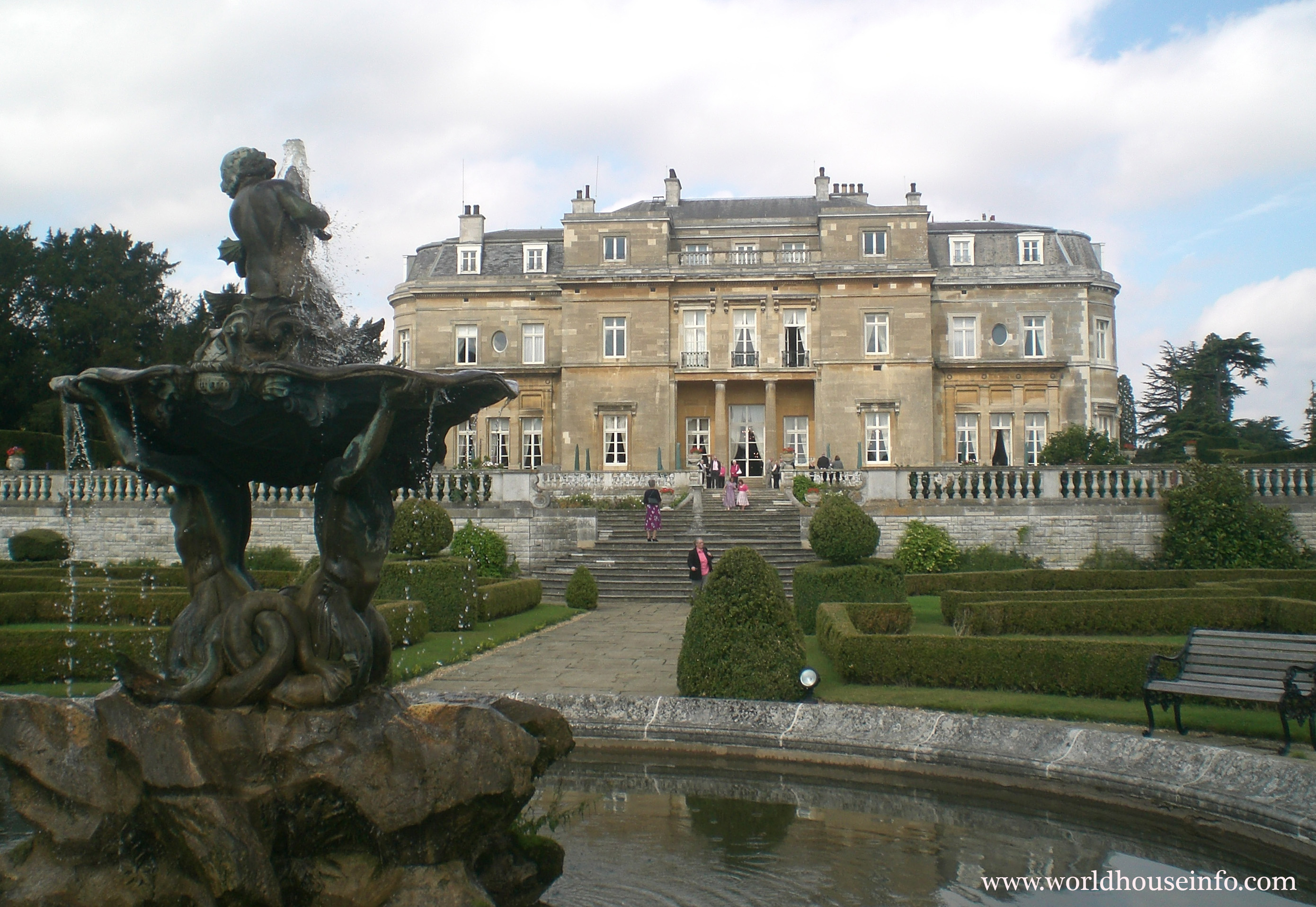
Luton Hoo, Bedfordshire
Luton Hoo is a magnificent historic estate located in Bedfordshire, England. Steeped in rich history and surrounded by stunning landscapes, Luton Hoo offers a glimpse into the grandeur of England's country estates. From its exquisite mansion and beautifully manicured gardens to its extensive parkland, Luton Hoo captivates visitors with its architectural splendor and natural beauty.
I. Historical Background
Luton Hoo is a historic estate located in Bedfordshire, England. It has a rich and fascinating history that spans several centuries. Here is a brief background of Luton Hoo:
The site where Luton Hoo stands today has been occupied since at least the 9th century. It was originally a medieval manor house known as Luton Hoo Park, owned by various noble families over the years. In the 18th century, the estate was acquired by the Napier family, who expanded and remodeled the existing manor house into a grand country house. The renowned architect Robert Adam was commissioned to redesign and enhance the property, incorporating neoclassical elements into the architectural style.
In 1903, Luton Hoo was purchased by Sir Julius Wernher, a wealthy diamond magnate. The Wernher family continued the tradition of adding grandeur to the estate and made significant enhancements, including the construction of a new mansion. During World War II, Luton Hoo was requisitioned by the British government for military use. It served as a base for various operations, including housing an ammunition storage depot and hosting Winston Churchill's War Cabinet. After the war, the estate faced a period of decline and neglect.
In the late 20th century, Luton Hoo underwent a significant restoration project under the ownership of Elite Hotels. The mansion was carefully restored to its former glory, preserving its historic features while incorporating modern amenities to serve as a luxury hotel and venue. Luton Hoo is known for its extensive gardens and parkland, which have evolved over time. The landscape features formal gardens, including Italianate gardens, a rose garden, and a Chinese temple garden. The parkland includes woodlands, lakes, and scenic vistas, providing a picturesque setting for the estate.
Luton Hoo's grand architecture and beautiful surroundings have made it a popular location for film and television productions. It has been featured in several movies, including "Four Weddings and a Funeral" and "The Queen." Today, Luton Hoo remains a prestigious estate that offers luxury accommodations, fine dining, and a variety of leisure activities. Its rich history, stunning architecture, and picturesque landscapes continue to attract visitors from around the world, providing a glimpse into the grandeur of England's historic country estates.
II. Architecture Splendor
Luton Hoo is a magnificent historic estate located in Bedfordshire, England. Steeped in rich history and surrounded by stunning landscapes, Luton Hoo offers a glimpse into the grandeur of England's country estates. From its exquisite mansion and beautifully manicured gardens to its extensive parkland, Luton Hoo captivates visitors with its architectural splendor and natural beauty. The history of Luton Hoo dates back centuries, with traces of occupation on the site since the 9th century. Over the years, the estate has been owned by various noble families who left their mark on the property. In the 18th century, renowned architect Robert Adam was commissioned to transform the existing manor house into a grand country house, incorporating neoclassical elements and creating a masterpiece of architectural design.
The mansion at Luton Hoo stands as a testament to the opulence and elegance of its past. Its grand facades, impressive interiors, and intricate detailing showcase the skill and craftsmanship of the era. From the moment you set foot on the estate, you are transported to a world of refined luxury and timeless beauty. The gardens of Luton Hoo are a sight to behold. From the meticulously designed formal gardens with their vibrant blooms and sculpted hedges to the peaceful parkland that stretches out for miles, every corner of the estate offers a visual feast. The Italianate gardens, the rose garden, and the Chinese temple garden are just a few of the highlights that enchant visitors with their beauty and serenity.
In addition to its architectural and natural wonders, Luton Hoo has played a role in history. During World War II, the estate was requisitioned by the British government for military use, serving as a base for various operations. It even hosted Winston Churchill's War Cabinet, adding to its historical significance. Today, Luton Hoo stands as a cherished heritage site and a place of luxurious hospitality. It welcomes guests from around the world, offering an unforgettable experience of refined living, fine dining, and recreational activities. Whether strolling through the gardens, exploring the mansion's grandeur, or simply immersing oneself in the tranquil surroundings, Luton Hoo provides a captivating retreat where history and beauty converge.
III. Gardens and Landscaping
The gardens and landscaping of Luton Hoo are a true testament to the beauty and artistry of horticulture. Spanning over 1,000 acres, the estate features a diverse range of landscapes that captivate the senses and showcase nature's splendor. From the meticulously designed formal gardens with their intricate patterns, terraces, and ornamental flower beds to the expansive parkland with rolling hills and ancient trees, every corner of Luton Hoo's grounds is a feast for the eyes. The Italianate gardens transport visitors to the Renaissance era with their geometric layouts and statues, while the Rose Garden delights with its vibrant colors and fragrant aromas. The Chinese Temple Garden offers a serene escape, blending traditional Chinese design elements with lush greenery and soothing water features. Woodlands and meandering pathways invite leisurely strolls, providing moments of tranquility and connection with nature. Water features, such as lakes, ponds, and fountains, add a touch of elegance and serenity to the landscape. The Walled Garden, with its array of flowers, fruit trees, and vegetable patches, creates a charming and secluded oasis. The arboretum showcases a remarkable collection of trees and shrubs, displaying a rich tapestry of colors and textures. Overall, the garden and landscaping of Luton Hoo are a masterpiece of natural beauty, inviting visitors to explore, relax, and be inspired by the enchanting surroundings.
IV. Notable Features and Amenities
a. State Rooms: The interior of Luton Hoo is adorned with luxurious state rooms, including the grand saloon, library, and drawing rooms. These rooms boast exquisite plasterwork, elegant furnishings, and precious artworks, offering a glimpse into the estate's rich history and aristocratic lifestyle.
b. Walled Garden: Luton Hoo boasts a magnificent walled garden that spans over five acres. It features a variety of flowers, shrubs, and rare plants, providing a serene and colorful oasis for visitors to explore and enjoy.
c. Golf Course and Spa: The estate is also home to a championship golf course designed by Mike Smith, offering golf enthusiasts a challenging and scenic playing experience. Additionally, the Spa at Luton Hoo provides a range of wellness and relaxation treatments, ensuring a luxurious and rejuvenating stay for guests.
V. Cultural Significance
Luton Hoo has played a significant role in English history and culture. It has been associated with prominent figures and events, serving as a backdrop for royal visits, political gatherings, and cultural celebrations. The estate's opulent architecture and picturesque landscape have also made it a popular filming location for movies and television shows.
VI. Restoration and Contemporary Use
In the late 20th century, Luton Hoo underwent a comprehensive restoration to preserve its architectural heritage and revive its former glory. Today, it operates as a luxury hotel and country club, welcoming guests from around the world to experience its refined ambiance, impeccable service, and timeless elegance.
VII. Conclusion
Luton Hoo stands as a testament to the grandeur and elegance of English country estates. Its historic significance, stunning architecture, and picturesque surroundings make it a cherished destination for those seeking luxury, relaxation, and cultural immersion. As a symbol of refined taste and opulence, Luton Hoo continues to captivate visitors, offering a glimpse into the aristocratic lifestyle of a bygone era.