



Home > Famous houses in australia > Opera house
Opera House
|
The Sydney Opera House is an iconic performing arts venue located in Sydney, Australia. It is one of the most recognizable landmarks in the world and serves as a cultural and architectural masterpiece. The construction of the Sydney Opera House was completed in 1973, and it has since become a symbol of Australia's artistic and creative identity. The idea for the Sydney Opera House originated in the late 1940s when there was a growing demand for a world-class performing arts venue in Sydney. A design competition was held, and Danish architect Jørn Utzon's visionary design was selected as the winning entry. The construction of the opera house began in 1959, but it faced numerous challenges and complexities along the way.
|
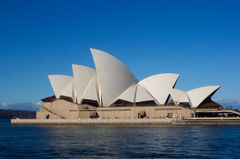
The architecture of the Sydney Opera House is renowned for its unique and innovative design. The building features a series of large sail-like shells or "shells" that are composed of precast concrete panels. These shells are arranged to create a stunning composition of interlocking forms that resemble billowing sails or sea shells.
The interior of the Sydney Opera House is equally impressive, with a variety of performance spaces that cater to different artistic disciplines. The largest and most iconic venue is the Concert Hall, which has a seating capacity of over 2,500 and is renowned for its exceptional acoustics. Other spaces include the Opera Theatre, Drama Theatre, Playhouse, and Studio, offering a diverse range of performances from opera and ballet to theater and live music.
Beyond its architectural and artistic significance, the Sydney Opera House holds great cultural significance for the people of Australia. It is a symbol of national pride and has become an integral part of the country's identity. The opera house hosts a wide range of performances and events, attracting both local and international artists and audiences.
Historical Background
The historical background of the Sydney Opera House is a captivating story of vision, ambition, and perseverance. Here is a detailed account of its history:
I. Vision and Planning: The idea for a new performing arts venue in Sydney, Australia was first proposed in the mid-1940s. Sydney was growing rapidly, and there was a desire for a world-class cultural center that would showcase the city's artistic talents. In 1954, the New South Wales (NSW) Premier Joseph Cahill announced plans for an opera house, triggering a journey that would span several decades.
II. International Design Competition: In 1956, an international design competition was launched to select an architect for the opera house project. The competition attracted entries from renowned architects worldwide. Danish architect Jørn Utzon's design, featuring its iconic sail-like roof structures, was chosen as the winning entry in 1957. Utzon's design captivated the jury with its unique and imaginative concept.
III. Construction Challenges: Construction of the Sydney Opera House began in 1959, with Utzon overseeing the project. However, the construction process was fraught with numerous challenges. The design's complexity and innovative nature posed significant engineering and logistical hurdles. The construction team had to develop new construction techniques and materials to bring Utzon's vision to life.
IV.Delays and Controversies: As construction progressed, delays and controversies emerged. The ambitious design, combined with budget overruns and technical difficulties, strained the project's timeline and budget. The project faced political and financial pressures, leading to changes in management and strained relations between Utzon and the NSW government. In 1966, Utzon resigned from the project, and other architects were brought in to complete the construction.
V. Completion and Opening: Despite the challenges, the Sydney Opera House was finally completed and officially opened on October 20, 1973, by Queen Elizabeth II. The opening ceremony was a momentous occasion, marking the culmination of years of effort and perseverance. The event solidified the opera house's place as an architectural marvel and an iconic symbol of Sydney and Australia.
VI. Architectural and Design Significance: The Sydney Opera House's architectural and design significance is unparalleled. Jørn Utzon's visionary design combines elements of expressionism and organic architecture. The most striking feature is the series of sail-like shells or "shells" that form the roof structures. These shells are constructed using precast concrete panels covered with over a million white ceramic tiles, creating a visually stunning effect. The interplay of light and shadow on the shells adds depth and dimension to the building's appearance.
VII. UNESCO World Heritage Site: In 2007, the Sydney Opera House was recognized as a UNESCO World Heritage Site, acknowledging its outstanding cultural and architectural value. The UNESCO listing highlights its unique design, technical innovation, and its role as a symbol of Australia's creative identity.
VIII. Cultural Icon and Tourist Attraction: The Sydney Opera House has become an iconic symbol of Australia and a major tourist attraction. It is internationally renowned for its architectural beauty and hosts a wide range of cultural performances, including opera, ballet, theater, and music concerts. Its iconic silhouette against the backdrop of Sydney Harbour has become an instantly recognizable image and a source of pride for Australians.
IX. Legacy and Evolution: Over the years, the Sydney Opera House has continued to evolve and adapt. Renovation and improvement projects have been undertaken to ensure its structural integrity and enhance its facilities. The opera house remains a vibrant cultural hub, hosting thousands of performances each year and attracting visitors from around the world.
The Sydney Opera House stands as a testament to human creativity, innovation, and the power of architecture to shape cultural landscapes. Its historical journey, from conceptualization to completion, is a remarkable tale of determination and
Architecture and Design
The architecture and design of the Sydney Opera House is a remarkable fusion of visionary ideas, innovative engineering, and stunning aesthetics. Designed by Danish architect Jørn Utzon, the opera house showcases a groundbreaking and iconic design that has made it one of the most recognizable and celebrated buildings in the world. Here are key features of its architecture and design:
I. Unique Roof Structure: The most distinctive feature of the Sydney Opera House is its roof structure, which consists of a series of large interlocking concrete shells or "sails." These sail-like shells are supported by large precast concrete ribs, creating a dynamic and sculptural form. The shells were carefully designed to achieve their iconic curved shape, resembling billowing sails or seashells.
II. Expressionist and Organic Architecture: The design of the Sydney Opera House reflects elements of expressionist and organic architecture. It embraces fluid, natural forms that integrate harmoniously with the surrounding environment. The sculptural qualities of the shells evoke a sense of movement and lightness, creating an ethereal and poetic presence.
III. Ceramic Tile Cladding: The exterior of the shells is clad with more than one million white, glossy ceramic tiles. These tiles were specially manufactured to withstand the harsh marine environment and to maintain their pristine appearance over time. The tiles not only provide protection but also enhance the visual impact of the building, giving it a distinctive and luminous appearance.
IV. Interplay of Light and Shadow: The design of the opera house takes full advantage of natural light, creating a captivating interplay of light and shadow. The shells' unique form allows sunlight to filter through the gaps between the ribs, casting ever-changing patterns of light on both the exterior and interior surfaces. This play of light and shadow adds depth and dynamism to the building's visual character.
V. Integration with the Surroundings: The Sydney Opera House is strategically located on Bennelong Point, a prominent peninsula jutting into Sydney Harbour. The design takes into account the site's natural features, including its waterfront setting and the adjacent Royal Botanic Garden. The building's low podium and stepped terraces seamlessly blend with the landform, connecting the opera house with its surroundings.
VI. Functional Spaces: The opera house comprises multiple performance venues and functional spaces. The largest and most renowned venue is the Concert Hall, which can accommodate over 2,500 people and is designed specifically for symphony concerts. The Opera Theatre, Drama Theatre, and Playhouse provide additional spaces for opera, theater, and other performances. The complex also includes rehearsal rooms, exhibition spaces, restaurants, and public areas.
VII. Structural Innovation: The construction of the Sydney Opera House presented significant engineering challenges due to its complex design. The shells' unique shape and construction techniques had to be developed specifically for the project. Ingenious engineering solutions, such as the use of precast concrete segments and tensioned steel cables, were employed to create the desired form and ensure structural stability.
VIII. Waterfront Promenade: The Sydney Opera House is surrounded by a promenade that allows visitors to stroll along the water's edge and enjoy panoramic views of Sydney Harbour and the city skyline. The promenade is a popular gathering place and provides an opportunity for outdoor performances, public events, and leisure activities.
The architecture and design of the Sydney Opera House have not only established it as an architectural masterpiece but have also set a new standard for innovative and visionary design worldwide. Its enduring appeal and cultural significance continue to inspire admiration and draw visitors from around the globe.
Visitor Experience and Tourism
The Sydney Opera House is not only an architectural icon but also a major cultural and tourist attraction in Australia. Its distinctive design, world-class performances, and stunning waterfront location make it a must-visit destination for both locals and international visitors. Here's a glimpse into the visitor experience and tourism at the Sydney Opera House:
I. Guided Tours: The opera house offers a range of guided tours that provide an in-depth exploration of the building's history, architecture, and behind-the-scenes insights. Visitors can choose from various tour options, including the Essential Tour, Backstage Tour, and the VIP Tour, which offers exclusive access to restricted areas. Knowledgeable guides share interesting anecdotes and facts about the opera house, making the experience educational and engaging.
II. Performance Excellence: The Sydney Opera House is renowned for its exceptional performing arts program, featuring a diverse range of music, theater, ballet, opera, and dance performances throughout the year. Visitors have the opportunity to witness world-class productions in the stunning venues within the complex. From classical concerts to contemporary theater, there is something for every taste and preference.
III. Opera House Concert Hall: The Concert Hall, with its renowned Grand Organ and superb acoustics, is a highlight for music lovers. It hosts orchestral performances, symphonies, choral concerts, and solo recitals. The chance to experience a live performance in this iconic venue is an unforgettable cultural experience.
IV. Joan Sutherland Theatre: This theater is dedicated to opera and ballet performances. It offers an intimate setting and exceptional stage design, allowing audiences to immerse themselves in the artistry and drama of the productions.
V. Utzon Room: Named in honor of the Sydney Opera House's architect, the Utzon Room is a smaller venue that hosts chamber music concerts, intimate performances, and recitals. Its picturesque harbor views and intimate ambiance provide a unique and intimate experience for visitors.
VI. Outdoor Events and Festivals: The Sydney Opera House also hosts a variety of outdoor events and festivals throughout the year. The Opera on the Harbour series presents opera performances on an outdoor stage with the iconic opera house as the backdrop, creating a magical and unforgettable experience. The annual Vivid Sydney festival, featuring light installations and projections on the opera house's sails, attracts millions of visitors to witness the stunning visual displays.
VII. Dining and Restaurants: The opera house offers a range of dining options, from casual cafes to fine dining restaurants. Visitors can enjoy a meal with panoramic views of Sydney Harbour, savoring delicious cuisine while taking in the breathtaking surroundings.
VIII. Retail and Souvenirs: The Sydney Opera House features several retail outlets where visitors can purchase souvenirs, books, and unique gifts related to the opera house and its performances. These outlets offer a wide selection of merchandise, allowing visitors to take home a piece of the opera house's cultural legacy.
IX.Waterfront Promenade: The promenade surrounding the opera house provides a scenic spot for leisurely walks, photo opportunities, and enjoying the beautiful views of Sydney Harbour. Visitors can relax in one of the outdoor seating areas, watch street performers, or simply soak up the vibrant atmosphere.
X. Events and Functions: The Sydney Opera House is not only a performance venue but also hosts a variety of events, conferences, and private functions. Its iconic and prestigious reputation makes it a sought-after location for weddings, corporate events, and cultural celebrations.
The Sydney Opera House's combination of architectural grandeur, world-class performances, and stunning waterfront location makes it an exceptional destination for cultural enthusiasts, music lovers, and anyone seeking a memorable experience. It continues to be a symbol of artistic excellence and a focal point of tourism in Australia.
The Sydney Opera House is a globally recognized architectural masterpiece and cultural institution. Its unique design, stunning waterfront location, and diverse program of artistic events have made it an integral part of Australia's cultural landscape. The Opera House's enduring legacy as an architectural icon and its contribution to the arts make it a must-visit destination for anyone interested in the intersection of design, culture, and performance.