




Home > Famous houses in chicago > Robie house
Robie House
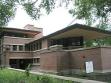
Robie House, located in Chicago, Illinois, is one of the most iconic works of renowned architect Frank Lloyd Wright. Completed in 1910, the house is a masterpiece of the Prairie School architectural style and stands as a testament to Wright's innovative design principles. |
 |
History of Robie House:
Robie House was commissioned by Frederick C. Robie, a forward-thinking businessman and entrepreneur, who approached Frank Lloyd Wright with a vision of a modern and functional home. The house was designed to reflect Robie's lifestyle and accommodate his growing family, while also showcasing Wright's progressive architectural ideas.
Architecture of Robie House:
Robie House is considered one of the most significant examples of the Prairie School architectural style, which emerged in the early 20th century and sought to integrate the built environment with the surrounding landscape. The design principles of the Prairie School, as exemplified in Robie House, include horizontal lines, low-pitched roofs, open floor plans, and an emphasis on natural materials.
The house is characterized by its horizontal emphasis, with long, overhanging eaves that extend beyond the building's footprint. This feature creates a sense of shelter and shade while emphasizing the integration of indoor and outdoor spaces. The use of horizontal bands of windows, art glass panels, and uninterrupted lines contributes to the overall harmony and unity of the design.
One of the most striking features of Robie House is its unique floor plan, which embraces open and flowing spaces. The main living areas are located on the ground floor, with the dining room, living room, and kitchen seamlessly connected, allowing for an uninterrupted flow of space. The design emphasizes the importance of communal living and social interaction, reflecting Wright's belief in the integration of architecture, nature, and human life.
Robie House is also renowned for its intricate art glass windows, which were designed by Wright in collaboration with artist Emil Frey. The windows feature abstract geometric patterns and warm colors, creating a play of light and shadow that adds depth and visual interest to the interior spaces.
Cultural Significance of Robie House:
Icon of Modern Architecture:
Robie House is considered a groundbreaking work of modern architecture and a key milestone in Frank Lloyd Wright's career. Its innovative design and departure from traditional architectural conventions challenged the prevailing notions of residential design, establishing Wright as a visionary architect.
Influence on the Prairie School Style:
As one of the most celebrated examples of the Prairie School style, Robie House had a profound influence on architectural movements and architects worldwide. The emphasis on horizontal lines, integration with nature, and open floor plans became defining elements of modern residential design.
Preservation and Restoration:
Robie House has undergone several preservation and restoration efforts over the years to maintain its architectural integrity. In the 1950s, the house faced the threat of demolition, but a successful fundraising campaign led to its preservation and subsequent designation as a National Historic Landmark in 1963. Ongoing restoration efforts continue to ensure the house's longevity and preservation for future generations.
Educational and Cultural Center:
Robie House serves as an educational and cultural center, welcoming visitors from around the world. The house offers guided tours, lectures, and exhibitions, providing insight into the life and work of Frank Lloyd Wright and the significance of Robie House in architectural history.
Conclusion:
Robie House stands as a testament to Frank Lloyd Wright's genius and his innovative approach to residential design. Its striking architecture, integration with nature, and emphasis on open and flowing spaces continue to inspire architects and enthusiasts worldwide. As a symbol of the Prairie School movement and a designated National Historic Landmark, Robie House holds a significant place in architectural history and serves as a beacon of Wright's enduring legacy.