


Home > Famous houses in australia > Melbourne government house
Melbourne Government House
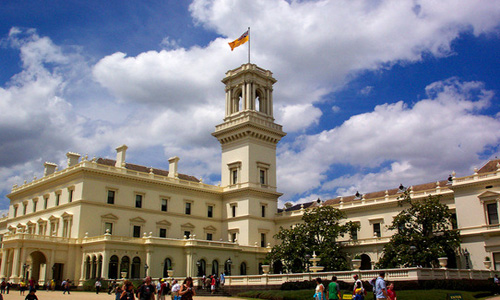
Melbourne Government House, located in the heart of Melbourne, Australia, is the official residence of the Governor of Victoria. The house serves as a symbol of the state's history, governance, and heritage. It holds great significance as a historical and cultural landmark.
Melbourne Government House serves as the official residence of the Governor of Victoria and hosts various official events, receptions, and ceremonies. It also plays a significant role in promoting arts, culture, and heritage, with the house occasionally hosting exhibitions and performances.
I. Historical background
Melbourne Government House is a historic landmark located in Melbourne, Australia. It has served as the official residence of the Governor of Victoria since 1876. The history of Government House dates back to the early days of Melbourne's settlement and provides a glimpse into the colonial history of the region. The story of Melbourne Government House begins in 1839 when the colonial government decided to establish a permanent residence for the Governor of Victoria. The site chosen for the house was a prominent hill overlooking the city, known as Government Domain (now known as Kings Domain). The location offered panoramic views of Melbourne and the surrounding area.
The construction of Government House began in 1871 under the supervision of architect William Wardell. The architectural style chosen for the building was Victorian Italianate, characterized by grand proportions, elaborate ornamentation, and classical elements. The design reflected the opulence and grandeur associated with the Victorian era. The construction of Government House faced various challenges, including financial constraints and debates over the design. It took several years to complete the building, and it was finally opened in 1876. The house featured a grand entrance hall, state rooms, private quarters for the Governor and their family, and extensive gardens and grounds.
Throughout its history, Melbourne Government House has witnessed numerous significant events and hosted many notable figures. It has served as a venue for official receptions, ceremonies, and important meetings. The house has welcomed members of the royal family, heads of state, and other distinguished guests. Over the years, Government House underwent several renovations and modifications to accommodate changing needs and preserve its historical significance. The interiors were updated, and modern amenities were added while retaining the building's original architectural features and character.
The gardens and grounds surrounding Government House are an integral part of its historical and cultural significance. The extensive gardens were initially designed by landscape gardener William Guilfoyle and featured a mix of European and Australian plant species. The gardens provide a tranquil setting and contribute to the overall charm and elegance of the property. Today, Melbourne Government House continues to serve as the official residence of the Governor of Victoria. It is also open to the public for guided tours and special events, allowing visitors to explore its rich history, admire its architectural beauty, and experience the grandeur of its interiors. Melbourne Government House stands as a symbol of Victoria's colonial past and the seat of power and authority. Its historical significance, architectural splendor, and beautiful surroundings make it a cherished landmark and an important part of Melbourne's heritage.
II. Architecture and Design
Melbourne Government House is an architectural masterpiece that exemplifies the grandeur and elegance of Victorian-era design. Built in the Victorian Italianate style, the house showcases a harmonious blend of classical elements and ornate details. The symmetrical layout of the building features a central entrance portico with balanced wings on either side, creating a sense of order and proportion. Elaborate facades adorned with intricate cornices, pilasters, and arches add depth and visual interest to the exterior. The tower and cupola rising above the central section serve as prominent architectural features, adding vertical emphasis and a distinct character to the house. Classical elements, such as columns, pediments, and balustrades, further enhance the design, evoking a sense of timeless beauty. The interiors of Melbourne Government House are equally impressive, with spacious rooms, high ceilings, and exquisite detailing. The use of luxurious materials, elegant furnishings, and fine craftsmanship further enhance the overall aesthetic. The house is surrounded by beautifully landscaped gardens, which complement the architectural style and provide a serene backdrop. The architecture and design of Melbourne Government House represent the opulence and sophistication of the Victorian era, making it a significant cultural and historical landmark in Melbourne.
III. Role of Melbourne Government House
Melbourne Government House serves as the official residence of the Governor of Victoria, who represents the monarch in the state. The Governor performs constitutional, ceremonial, and community engagement duties on behalf of the state. The mansion serves as a venue for hosting official functions, state receptions, diplomatic events, and meetings with dignitaries. The Governor and their spouse, in collaboration with the Government House Foundation, also play a vital role in supporting charitable, cultural, and educational initiatives. Melbourne Government House serves as a platform for engaging with the public, fostering a sense of community, and promoting Victorian heritage and values.
IV. Cultural Significance
Melbourne Government House, with its rich history and architectural beauty, holds great cultural significance for the city of Melbourne and the state of Victoria. As a symbol of Victoria's colonial past, the house represents the heritage and traditions of the region. Its grand Victorian Italianate design showcases the city's architectural splendor and serves as a testament to the craftsmanship of the era. Beyond its architectural value, Melbourne Government House is an important cultural institution that fosters community engagement and appreciation of the arts. It opens its doors to the public, offering guided tours that provide insights into the house's history, architecture, and the lives of its former residents. This accessibility allows visitors to connect with the past and gain a deeper understanding of the cultural heritage of Victoria.
Furthermore, the house's cultural significance extends beyond its walls. It serves as a focal point for the surrounding community, engaging with local schools, organizations, and cultural institutions. Through educational programs, partnerships, and outreach initiatives, Melbourne Government House actively promotes cultural understanding, heritage preservation, and community involvement. The cultural significance of Melbourne Government House also extends to its impact on tourism and the local economy. Its historical and architectural allure attracts visitors from around the world, who explore the house and its surrounding attractions, contributing to the city's tourism industry. The economic benefits generated from tourism, along with the house's cultural programming, support the growth and vitality of Melbourne's cultural sector.
V. Conclusion
Melbourne Government House is a cultural icon that embodies the historical, architectural, and social heritage of Melbourne and Victoria. It serves as a symbol of the city's past, a platform for artistic expression, a center for community engagement, and an economic driver. Its preservation and cultural programming ensure that future generations can appreciate and celebrate the rich cultural legacy it represents.
Melbourne Government House stands as an iconic landmark and a testament to Victoria's history, architecture, and cultural heritage. Its impressive Victorian-era design, historical significance, and role as the official residence of the Governor contribute to its cultural importance. The mansion represents the state's governance, tradition, and connection to the British monarchy. With its rich history, architectural beauty, and public engagement opportunities, Melbourne Government House holds a special place in the heart of Victoria and serves as a symbol of the state's past, present, and future.